

Cat Separation Anxiety: A Smart-Home Relief Plan
Separation anxiety is not only a dog problem. Cats form quiet, specific attachments, and when their person leaves, some withdraw, some vocalise, and some redecorate the sofa. A calm smart home will not replace veterinary care — but it can take the guesswork out of what your cat is actually doing while you are gone.
Most owners discover the problem indirectly: a scratched door, a missed litter box, a neighbour who mentions the yowling. By then the pattern is entrenched. The first job of any relief plan is simply to see it — and that is where a few quiet devices help more than people expect.
What separation anxiety looks like in a cat
Dogs wear their distress loudly. Cats are subtler, which is why separation anxiety in cats is under-diagnosed. Watch for:
- Door and threshold fixation — pacing, scratching, or crying at the spot you leave through.
- Changes in elimination — using the floor instead of the box, especially near your belongings.
- Excessive grooming or vocalisation when alone, not when you are home.
- Destructive outlets — chewing, knocking things, redecorating the curtains.
- Refusing food until you return.
None of these alone proves anxiety, and some point to medical issues — so the first step is always a vet check. But if the vet rules out illness and the behaviours cluster around your departures, anxiety is the likely driver.
Step one: see what actually happens
You cannot fix what you cannot observe. A pet camera for cats turns "I think he's fine" into "here is what he did at 2 p.m." The value is not the video itself — it is the pattern. Does he settle after ten minutes, or pace the whole afternoon? Does the distress start at the door or at the sound of keys?
A good check-in camera should record locally and let you glance in without a monthly fee. The point is reassurance and data, not surveillance theatre. Use it for two weeks and you will know more about your cat's day than you learned in two years of guessing.
The rule we build to
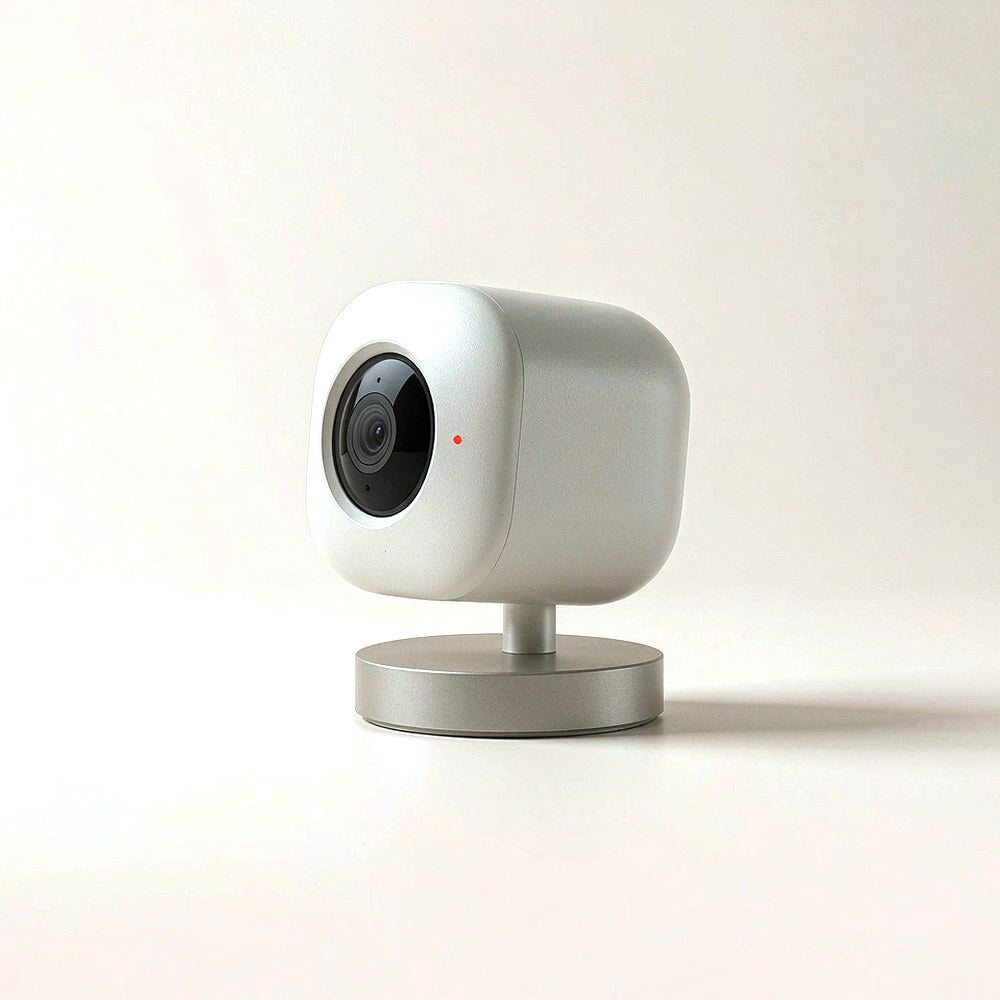
Checking in should be free and private. The Zaverni Eye Cam records to local storage first and shows you the cat from your phone when you want — no mandatory subscription, no cloud you did not ask for.
Step two: make the departure boring
Cats are creatures of association. If your leaving involves a predictable ritual — keys, shoes, a specific door — that ritual becomes the trigger. The fix is to scramble the signal:
- Decouple cues. Pick up keys and put them down without leaving. Put on shoes and sit on the sofa. Repeat until the ritual stops predicting your absence.
- Leave calmly. No long goodbyes; they read as alarm. A quiet exit is kinder than a fond one.
- Arrive calmly too. A frantic reunion rewards the anxiety. A dull hello teaches that comings and goings are nothing special.
- Leave something of you. An unwashed t-shirt carries scent that many cats find grounding.
Step three: build a calm environment
An anxious cat benefits from a home that does not spike their stress. Small, local-first touches do a lot:
- A window perch with a view — bird TV is genuinely calming for many cats.
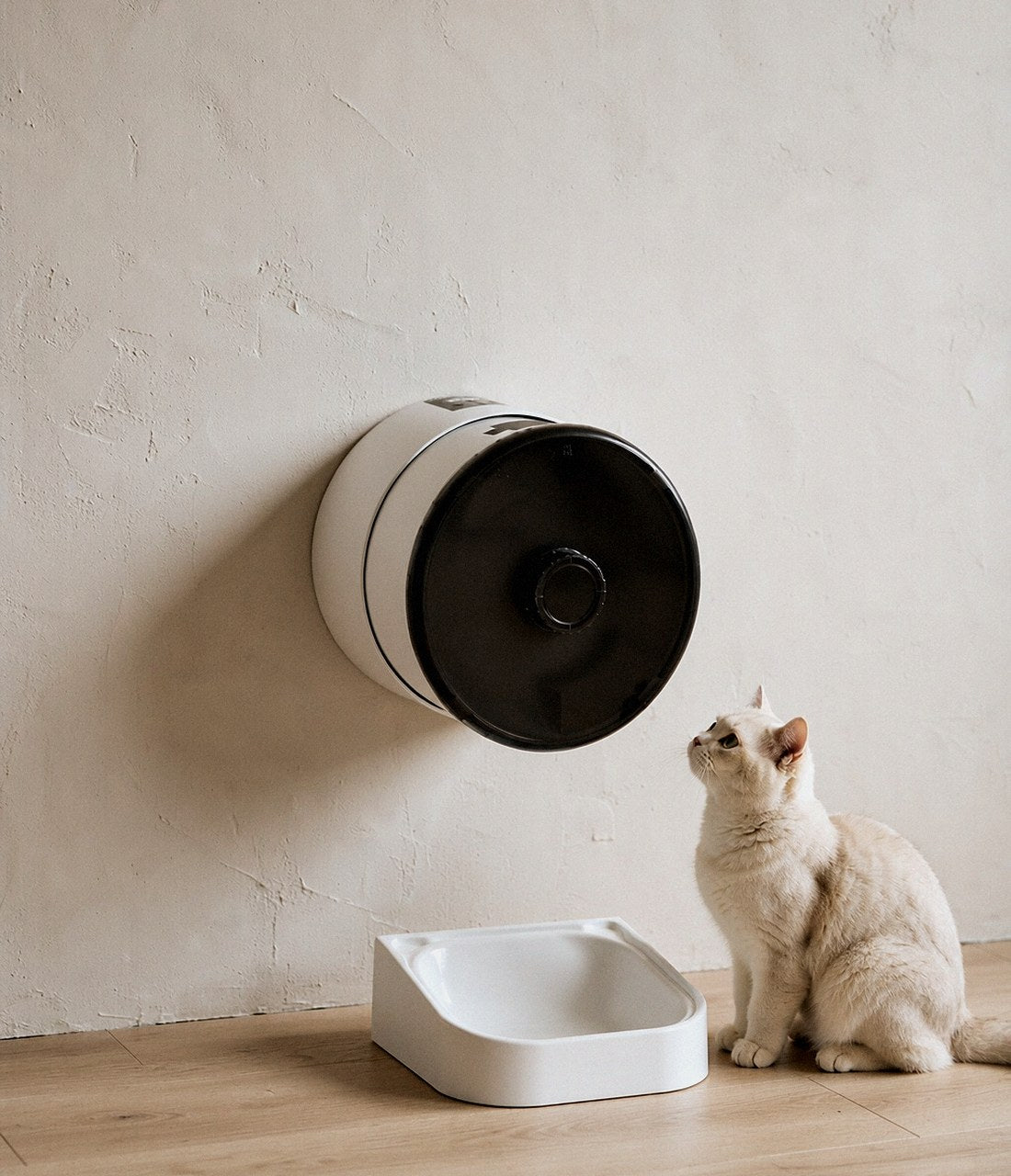
- Predictable feeding — a device that serves a meal on schedule, even when you are late, removes one more variable. (A Mingle Feeder keeps the schedule on the device, so a delayed train does not mean a skipped meal.)
- Vertical retreats — high, safe places lower the sense of threat.
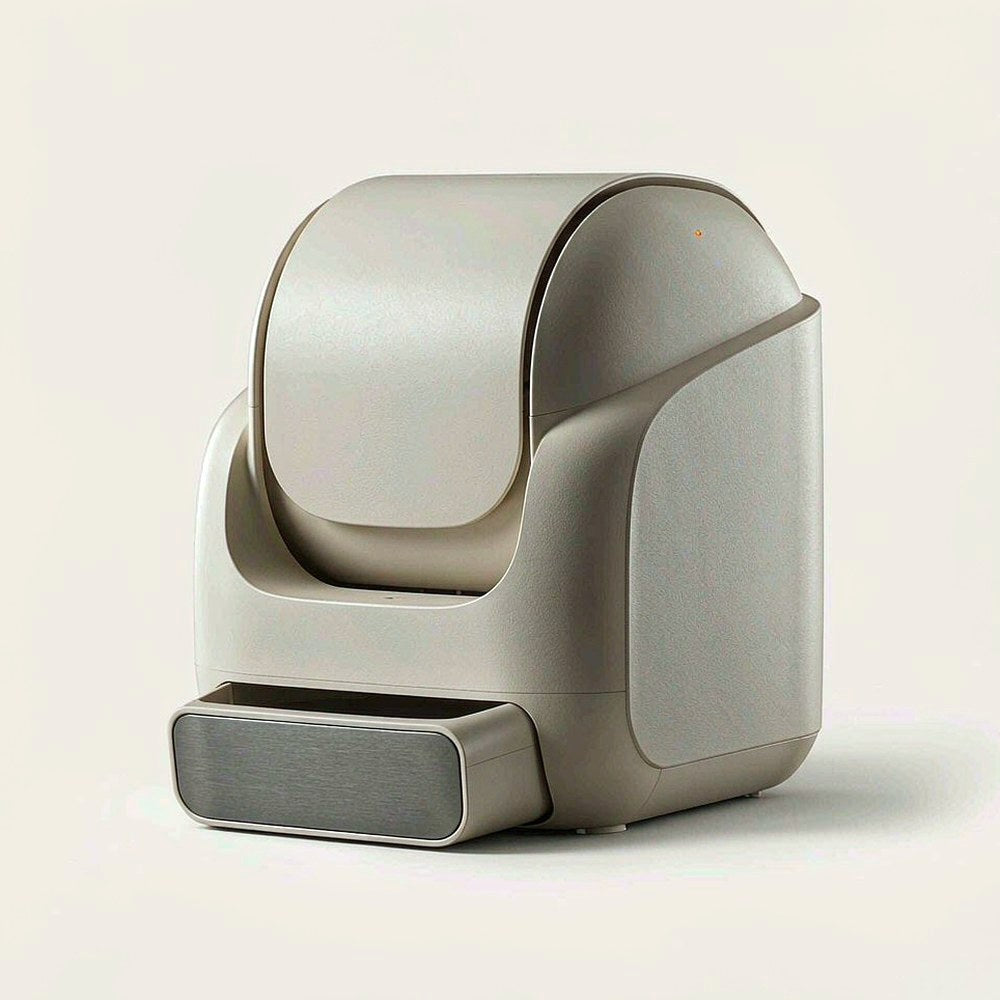
- Timed enrichment — a puzzle feeder or a rotating toy on a timer gives the alone-hours a purpose.
When the anxious one is a dog
Dog separation anxiety shares the roots but shows bigger. The relief plan overlaps: see it (camera), scramble the departure ritual, and remove triggers. For dogs, one extra tool matters — knowing where they are.
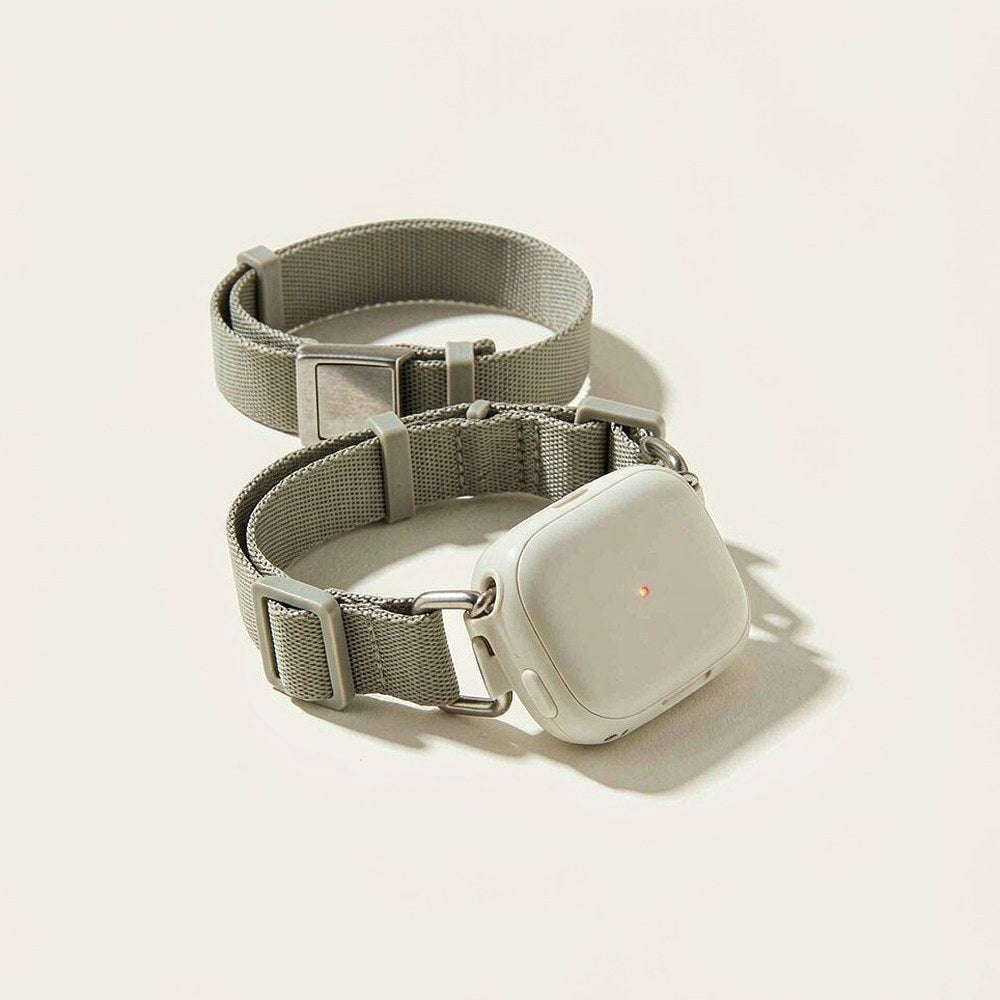
A dog who panics may bolt, and a bolting dog is an emergency. A Trace Collar with a safe-zone alert tells you the moment the yard perimeter is crossed, turning a silent scare into a five-second response. That is not a cure, but it is the difference between "I hope he's inside" and "I know exactly where he is."
| Tool | What it tells you | Why it helps anxiety |
|---|---|---|
| Pet camera (local) | What the pet does alone, hour by hour | Replaces guessing with pattern; measures if the plan works |
| Scheduled feeder | Meals happen on time regardless of you | Removes a daily trigger of uncertainty |
| GPS collar (dogs) | Location + safe-zone breach alert | Turns a panic-bolt into a fast, calm response |
| One quiet app | All of it in one place | Less fiddling, less owner stress — which the pet feels |
Less gear, calmer household
The goal is not more devices. It is fewer surprises. When the camera, feeder, and collar all report to one quiet app, you check once and relax — and a relaxed owner is the single best thing for an anxious pet. That is the standard we hold at Zaverni.
What tech cannot do
Be honest about the limits. Devices observe and smooth the edges; they do not treat the underlying anxiety. Severe cases need a vet or a behaviourist, sometimes medication, and a structured desensitisation plan. Use the smart home to learn and to stabilise the environment — then let the professional do the clinical work.
If you see self-harm, rapid weight loss, or distress that worsens despite changes, that is past the "try a camera" stage. Call the vet.
A gentle two-week outline
Desensitisation is not a switch; it is a slope. The idea is to make absence so short and so boring that the cat never reaches the point of distress, then stretch it slowly. Two weeks is a reasonable minimum for a mild case.
- Days 1–3: Leave for two minutes, several times a day. No drama on exit or return. The goal is simply that nothing bad happens.
- Days 4–6: Stretch to ten minutes, then twenty. Keep the camera rolling so you can check whether he settles within a few minutes of the door closing.
- Days 7–9: Add a predictable meal or enrichment at the midpoint of your absence, so the alone-time has a highlight to look forward to.
- Days 10–14: Reach a normal working day, but keep the departure cues scrambled and the return calm.
If the cat regresses at any step, go back one and hold there longer. Progress is measured in calm minutes, not in how fast you can leave. And if two weeks of steady work changes nothing, that is your signal to bring in a behaviourist rather than push harder.
What to measure (and what to ignore)
Use the camera to watch three things: how long until the cat settles after you leave, whether he eats while you are gone, and whether the litter box is used normally. Those are the honest indicators. Ignore single bad days — a delivery, a thunderstorm, or a strange noise will spike any cat's stress and say nothing about the plan. Trends matter; moments do not.
Frequently asked questions
Can cats really have separation anxiety?
Yes. It is under-recognised because cats show it quietly — pacing at the door, missing the litter box, over-grooming, or refusing food until you return. A vet check rules out medical causes first; if those are clear and the behaviour clusters around your departures, anxiety is likely.
Will a pet camera actually help?
Indirectly, yes. The camera's job is to show you the real pattern — does the cat settle, or pace all afternoon? That tells you whether your plan is working. Choose one that records locally with no mandatory subscription so checking in stays free.
How do I stop my cat freaking out when I leave?
Scramble the departure ritual: pick up keys without leaving, put on shoes and sit down, until those cues stop predicting your absence. Leave and arrive calmly, and leave an item with your scent. Predictable feeding on a device schedule also removes a daily trigger.
My dog bolts when anxious — what helps?
A GPS collar with a safe-zone alert tells you the moment the perimeter is crossed, turning a silent scare into a fast response. Pair it with a camera to learn the trigger, and follow a vet or behaviourist plan for the underlying anxiety.
Is smart pet tech a replacement for a vet?
No. Devices observe and stabilise the environment; they do not treat anxiety. Severe or worsening cases — self-harm, weight loss, escalating distress — need a vet or behaviourist. Use the tech to learn and support, not to diagnose.
See the day, calm the home
The Zaverni Eye Cam records locally so you can check in on a calm cat or an anxious dog — no subscription, no cloud you didn't ask for — all in one quiet app.
See the Eye Cam →Zaverni Journal · Smart pet tech, designed for the home you share. This guide is editorial content and is not a substitute for veterinary or behavioural care. For distress that worsens, contact your vet.