

Self-Cleaning Litter Boxes: Honest Pros, Cons & Safety (2026)
Scooping litter is the part of cat ownership nobody puts on Instagram. A self-cleaning litter box promises to delete that daily chore — and for many households, it delivers. But the category has a sharp edge: safety scares, surprising costs, and a subscription model that locks away features you thought you paid for.
Here's the honest 2026 breakdown: how they work, what's genuinely great, what bites, and how to choose one that's safe for your cat and fair to your wallet.
How self-cleaning litter boxes work
Most automate the same job — separate waste from clean litter after your cat leaves:
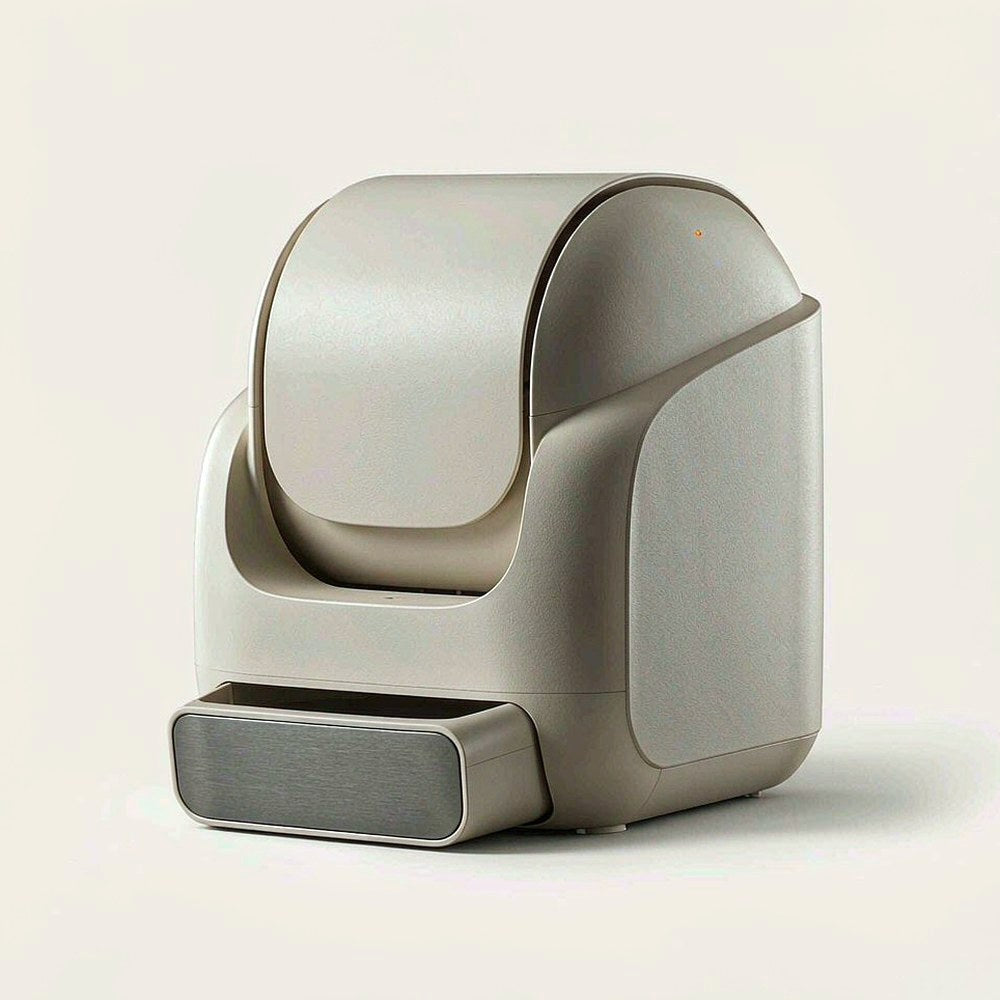
- Rotating globe — the globe turns, sifting clumps into a sealed drawer (the most common design).
- Sifting tray — a rake or moving tray pulls waste into a compartment.
- Weighing + app — premium units log each visit and weight, surfacing health trends.
The convenience is real. So are the catches.
The genuine pros
- Time back. No daily scoop. For busy or mobility-limited owners, this is life-changing.
- Odor control. Sealed waste drawers contain smell far better than an open box.
- Multi-cat sanity. One well-sized unit handles a busy litter schedule without constant attention.
- Health signals. Weight and frequency tracking can flag issues early — *if* the data is yours to keep (see the subscription section).
The cons nobody puts on the box
The subscription trap. This is the big one. A leading brand's connected tier (Whisker+) shortened the health history it showed free users from a year to roughly a week — a move that drew a 500-upvote thread of angry owners. The pattern is industry-wide: buy the hardware, then pay monthly to unlock features that feel like they should already be yours. You're not just buying a box; you're renting your own data.
Safety, especially for kittens. Moving parts and small, curious kittens are a real risk. Most manufacturers set a minimum weight (often ~3 lbs / ~5 months) before a cat should use a rotating unit. Entrapment and paw injuries have been reported when units are used too early or sensors fail.
Noise & location. The cycle is loud. Bashful cats may avoid a box that sounds like a blender.
They break. As with most pet tech, units failing inside 1–2 years show up repeatedly in owner reviews — and repair costs can approach a replacement.
Cost. Hardware is a few hundred dollars, and that's before any subscription.
Safety checklist before you buy
- Wait on kittens. Don't introduce a rotating box until your cat clears the manufacturer's minimum weight — usually around 3 lbs / 5 months.
- Look for redundant sensors. Weight + infrared + obstacle detection, not just one.
- Power-loss behavior. The unit should pause safely, not mid-cycle, if power drops.
- Low, easy entry. Older cats with arthritis need a low threshold.
- No locked essentials. Health tracking and basic scheduling should work without a paid plan.
The subscription question (our stance)
We'll say it plainly: a litter box should not hold your cat's health data hostage. At Zaverni, the *Clean* line logs weight and usage locally and gives you full export — no paywall between you and your pet's trends. Core cleaning functions work with zero subscription. Connectivity is a bonus, not a toll booth.
What we're building at Zaverni (Clean)
Our self-cleaning box is being designed around the complaints above:
- Safety-first sensing with a conservative kitten gate.
- Quiet cycle and a low entry for senior cats.
- Local-first data with free export — no Whisker+-style surprise.
- Repairable, with available replacement parts instead of "buy a new one."
Not shipping yet — but if "a box that respects your cat and your wallet" sounds right, you'll want in early.
FAQ
Are self-cleaning litter boxes safe for kittens? Not from day one. Wait until your kitten reaches the manufacturer's minimum weight (commonly ~3 lbs / ~5 months) and use a unit with redundant safety sensors.
Do self-cleaning litter boxes require a subscription? Many do — connected health features are often locked behind a monthly plan. Look for brands (like Zaverni) that keep core functions and your data free.
Which is the safest automatic litter box for kittens? Choose one with multiple sensors, a clear weight minimum, and a safe power-loss pause. Avoid any unit that cycles with a kitten below the stated threshold.
Are self-cleaning boxes worth it for one cat? Often yes, for the time and odor control — provided you buy for safety and durability, not just the app.
Final word
A self-cleaning litter box is one of the best quality-of-life upgrades for cat owners — *if* you go in clear-eyed about safety and the subscription fine print. Buy for your cat's wellbeing and your own peace of mind, not for a feature wall that disappears behind a paywall.
Zaverni's Clean line isn't on shelves yet, but it's being built around the safety and subscription problems this guide names. Join the waitlist for early access and our kitten-safety checklist.
---