


Self-Cleaning Litter Box: A Plain Guide for Busy Homes
Scooping is the job nobody enjoys, and it is the one most likely to be skipped on a busy week. A self-cleaning litter box does not make you a better pet owner — it simply removes a daily chore so the box stays fresh whether or not you had time today. Here is how they work and what to actually check before you buy one.
The appeal is obvious. Cats are tidy animals that prefer a clean tray, and a box that is scooped soon after use keeps both the cat and your home happier. The trouble is that "soon after use" is a human schedule, and humans are inconsistent. A device that handles the clearing on its own turns a daily obligation into a weekly emptying of a sealed drawer.
But not every automatic litter box is built the same way, and a few of them trade one problem for another. The rest of this guide is about telling the two apart.
How a self-cleaning litter box actually works
Strip away the marketing and there are only a few jobs a self-cleaning box has to do: detect that the cat has left, separate waste from clean litter, move the waste into a sealed container, and leave the usable litter behind. Everything else is packaging.
Detection is usually done with a weight sensor or an infrared pause — the box waits until the cat is gone before it moves, which is a basic safety requirement. The separation then happens through one of three mechanisms, and the mechanism is the single most important thing to understand before you shop.
| Mechanism | How it clears waste | Best for | Watch out for |
|---|---|---|---|
| Sliding rake | A comb sweeps solids into a covered tray | Clumping litter, single cat | Rakes can jam on sticky clumps |
| Rotating drum / globe | The globe turns so waste drops through a screen into a drawer | Low dust, quieter operation | Needs the right litter granule size |
| Hidden sifting tray | A liner or sieve lifts clean litter away from waste | Small spaces, simple design | Usually manual-ish, less automated |
None of these is "the best" in the abstract. A rotating drum is wonderful until your cat uses a litter the manufacturer did not design for, and then it smears instead of sifts. Match the mechanism to the litter you will actually use, not to the photo on the box.
The rule we build to
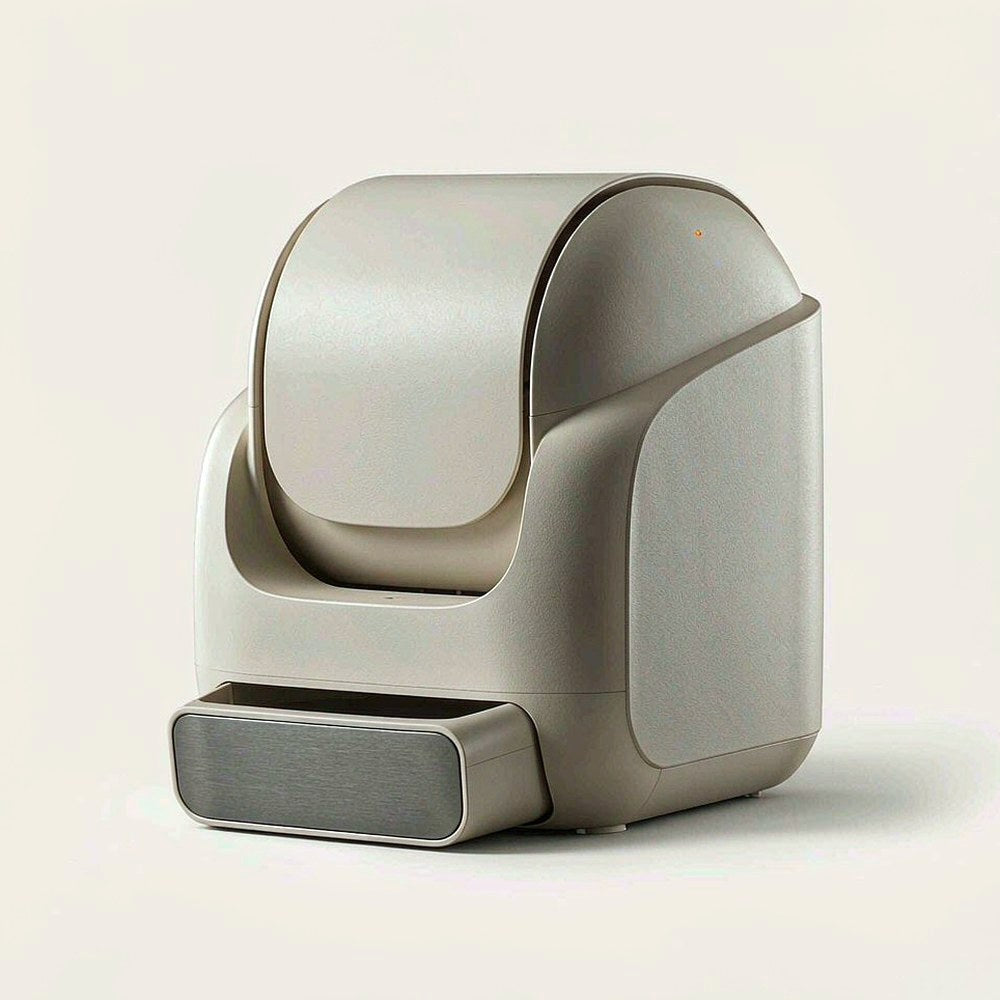
Cleaning should be boring and reliable. The Zaverni Pure Box is designed around a quiet cycle, a sealed waste drawer, and an app that tells you when to empty it — not a device that demands attention every day.
What to check before you buy
A spec sheet will tell you capacity in litres and noise in decibels. The things that actually decide whether you keep the device are less photogenic:
- Cat size and age. Larger cats need a bigger globe or tray. Kittens and elderly cats with mobility issues should not use a box that moves while they are inside it — most manufacturers set a weight floor for a reason.
- Litter compatibility. Many self-cleaning units only work with specific clumping litters. If you already use a litter your cat tolerates, confirm the box accepts it before you commit.
- Noise. A rake that sounds like a printer at 3 a.m. will train your cat to avoid the box. Look for quiet-cycle claims and real owner reports, not just the number on the page.
- Waste drawer capacity. "Self-cleaning" still means "you empty it." A small drawer in a multi-cat home is a daily chore wearing a fancy name.
- Safety sensors. The cycle must pause the instant weight or motion is detected. This is non-negotiable.
- What happens when the power goes. A box that locks shut on a power cut is worse than a normal tray. Check whether it holds position safely and resumes.
Multi-cat homes: one box or several?
The old rule of "one box per cat, plus one" exists because cats are territorial about toilets. A self-cleaning box does not change the social math — it changes the labour math. If you have three cats, one automated box will be perpetually mid-cycle or full.
For a litter box for multiple cats, the realistic setup is one automated box per two cats, plus a plain backup tray. The automated ones handle the daily volume; the backup covers the moment one is cycling or being emptied. A useful trick: rotate which drawer you empty last so no single cat ever faces a full box.
If your household also runs an automatic feeder, the same logic applies — a Mingle Feeder keeps meals on time while the box keeps the tray clear, and both report to the same place.
Odour control without a subscription
Odour is mostly about moving waste out of the open air quickly and sealing it. A sealed drawer does most of the work; a carbon filter does the rest. What you do not need is a monthly plan that promises "odour elimination" as a paid feature.
A genuinely litter box without odour is a combination of fast clearing, a good seal, and a filter you replace yourself on your own schedule. Be suspicious of any device that gates basic smell control behind a login or a recurring fee — that is the chore coming back disguised as a feature.
Local-first, even for the messy jobs
The clearing cycle, the sensor, and the drawer-full alert should all work without the internet. Cloud connectivity is a nice extra for checking status from work, but the box should do its job on a power cut, on a Wi-Fi drop, and with no account at all. That is the same principle we apply everywhere at Zaverni: the core job stays local and free, the cloud is optional.
Power, backups, and the outage question
Ask any owner what went wrong and "it stopped mid-cycle" is near the top. A good unit holds its position safely when power is lost and resumes cleanly when it returns. A great one tells you, through the app, that it paused rather than leaving you to discover a half-cleared tray.
Battery backup on a litter box is rarer than on a feeder, and that is fine — the failure mode is merely "it did not clear this round," not "the cat went hungry." But the resume behaviour matters, because a box that forgets where it was can dump clean litter into the waste drawer and waste both litter and your patience.
Where this fits a calmer smart home
The point of smart pet tech is not dashboards. It is that the ordinary, slightly unpleasant tasks — feeding, clearing, checking in — happen without you managing them every single day. A self-cleaning box earns its place only if it removes a chore rather than creating a new one (a finicky device you troubleshoot nightly is a step backwards).
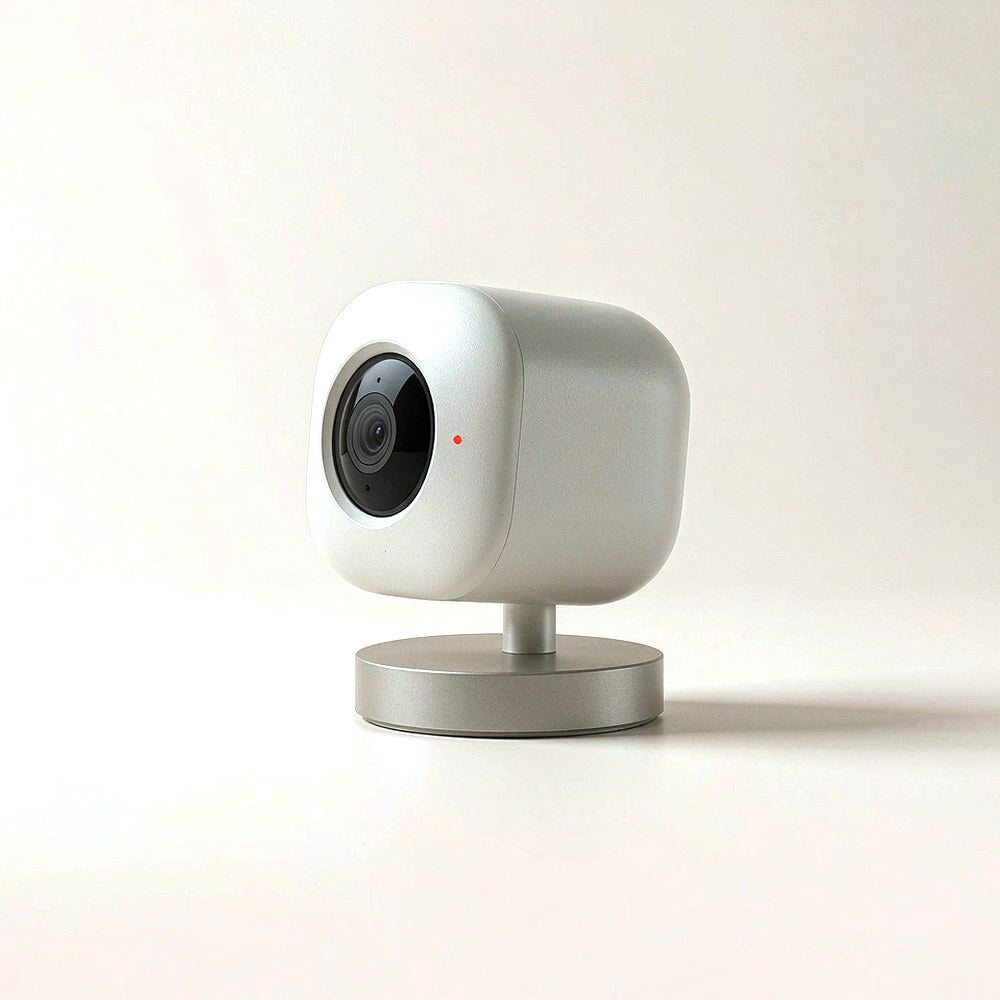
When the box, the feeder, and the camera all report to one quiet app, the hardware stops being a collection of gadgets and becomes background. That is the standard we hold ourselves to at Zaverni, and the one worth demanding before you let a machine manage a part of your home your cat cares about.
Frequently asked questions
Do self-cleaning litter boxes work with any litter?
No. Most automated boxes require a specific clumping litter and a particular granule size; using the wrong one causes jams or poor sifting. Check the compatibility list before buying, and keep using a litter your cat already tolerates.
Are self-cleaning litter boxes safe for kittens?
Generally not until a weight threshold is reached. Kittens are small enough to be missed by safety sensors and mobile enough to re-enter mid-cycle. Most manufacturers recommend waiting until the kitten reaches the minimum weight the device is rated for.
How often do I still have to empty it?
Even a self-cleaning box has a waste drawer you empty by hand — typically every few days for one cat, daily in a busy multi-cat home. The device removes scooping, not emptying. Size the drawer to your cat count so it is a weekly task, not a daily one.
Will it smell if I forget to empty the drawer?
A sealed, filtered drawer controls odour well until it is full. Once full, smells return quickly. The practical fix is a drawer-full alert sent to your phone, plus a plain backup tray so the cat is never faced with an overflowing box.
Do I need a subscription to use one?
You should not. Core functions — sensing, clearing, sealing, and a drawer-full alert — should work with no account. Treat any device that locks basic odour control or cycle history behind a monthly plan as a red flag.
A box that clears itself, quietly
The Zaverni Pure Box runs a quiet cycle, seals waste in a drawer, and alerts you only when it actually needs attention — all local-first, no subscription required.
See the Pure Box →Zaverni Journal · Smart pet tech, designed for the home you share. This guide is editorial content and does not replace veterinary advice. Introduce any new litter gradually and watch for changes in your cat's habits.