

Dog Separation Anxiety: A Smart-Home Plan for a Calmer Dog (and Cat)
If your dog loses it the moment the door closes, you are not a bad owner and your dog is not broken. Dog separation anxiety is one of the most common reasons owners reach out to us — and it is also one of the most misunderstood. The good news: a calm, connected home can take a surprising amount of the edge off, for dogs and for the cats who miss you too. This is a practical, no-hype plan you can start this week.
First, what separation anxiety in dogs actually looks like
Separation anxiety is not "bad behavior." It is distress. A dog with it isn't being spiteful when they chew the couch — they're panicking because the person who is their whole world just disappeared. The classic signs show up only when you're gone (or when you're getting ready to leave):
- Destruction aimed at exits — doors, window frames, crates — not random items.
- Vocalization that starts right after you leave and can last for hours: barking, howling, whining.
- House-soiling in a dog that is otherwise reliably trained.
- Pacing, drooling, and shaking before you even pick up your keys.
- Escape attempts that can injure paws, nails, and teeth.
Importantly, these often happen within the first minutes of your departure — which is why a camera is so useful for telling the difference between true anxiety and simple boredom, which tends to build slowly over the day.
Anxiety vs. boredom — why the distinction matters
Boredom-driven mischief ramps up over hours and is usually spread around the house. Separation anxiety in dogs spikes almost immediately and centers on your absence. You can't treat the right problem until you've watched the first ten minutes. That's the first job of a pet camera for separation anxiety — not to spy, but to diagnose.
Why "just leaving them to get used to it" backfires
The old advice — "they'll settle down if you ignore it" — can make things worse. For a genuinely anxious dog, being left alone for long stretches without support rehearses the panic. Each solitary, distressing day can deepen the association: you leave → I am unsafe.
The modern alternative isn't to never leave (impossible) or to medicate first (sometimes necessary, often not the starting point). It's to change what "you leaving" means at home. Smart pet tech, used well, does exactly that: it keeps a thread of connection and routine alive while you're out, and it gives you the information to intervene early instead of discovering destruction at 6 p.m.
The smart-home plan: three layers of reassurance
Here's the framework we recommend. Each layer is independent, so you can start with one and add as needed. Together they answer the three questions every anxious-pet owner obsesses over: Are they okay? Where are they? And can I actually help from here?
Layer 1 — See them: a pet camera for separation anxiety
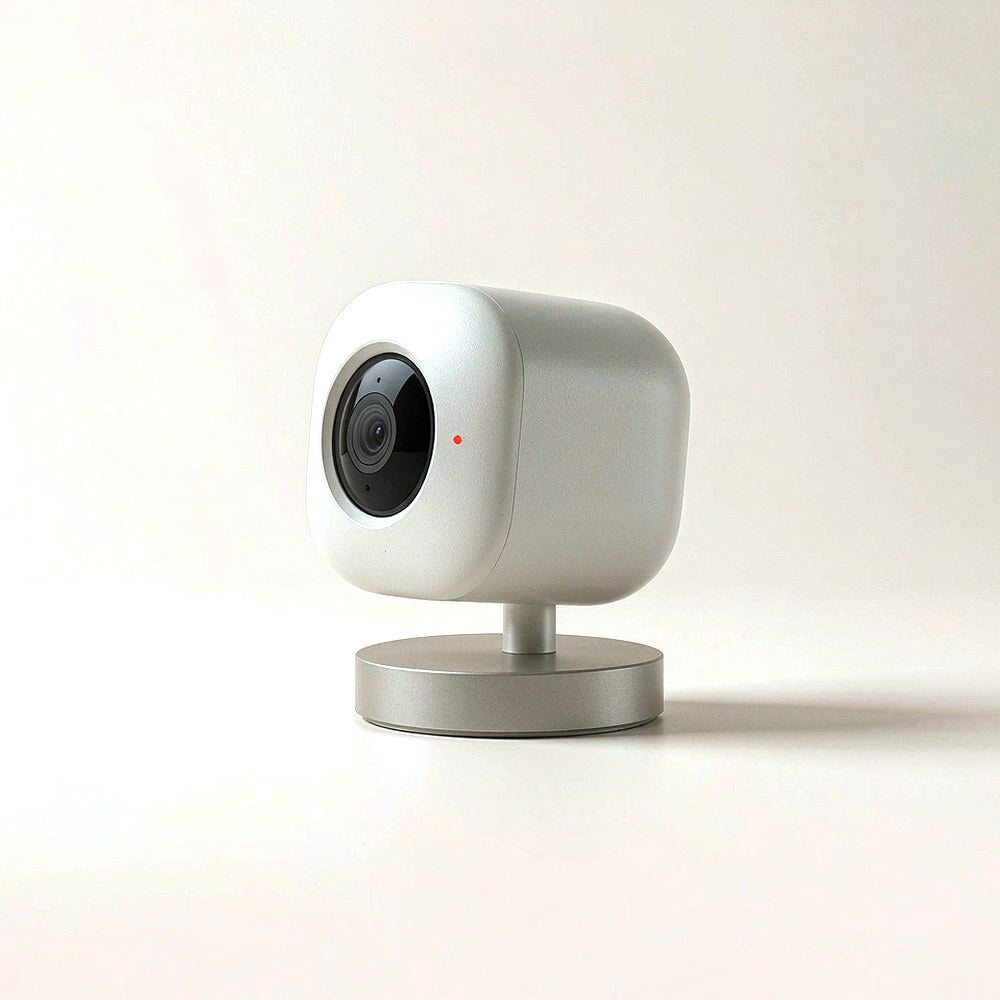
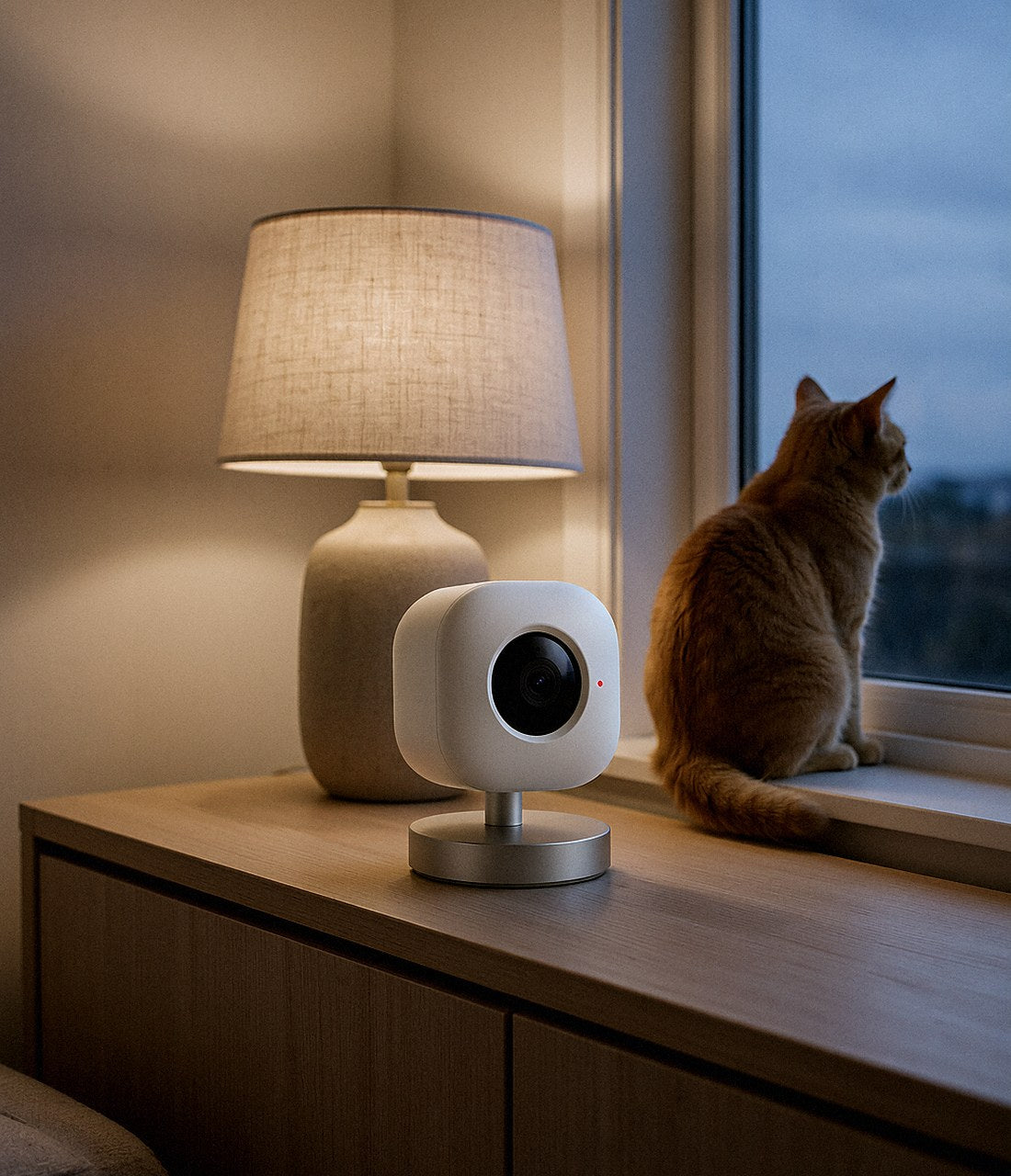
A dedicated pet camera for separation anxiety (our Eye Cam) does three things a phone-on-a-shelf can't. First, it lets you check in without disrupting your pet — a quick glance confirms they're resting, not panicking. Second, two-way audio lets you send a calm, familiar voice cue from the other room (or the other side of the city) to interrupt a spiral before it peaks. Third, and most underrated: the footage is evidence. You learn your dog's exact trigger window and can measure whether your training is working.
One design note that matters to us: the camera should store what you need locally first, not ransom your own home footage behind a monthly subscription. You shouldn't pay a recurring fee to see your own living room.
Layer 2 — Know where they are: a GPS collar for dogs
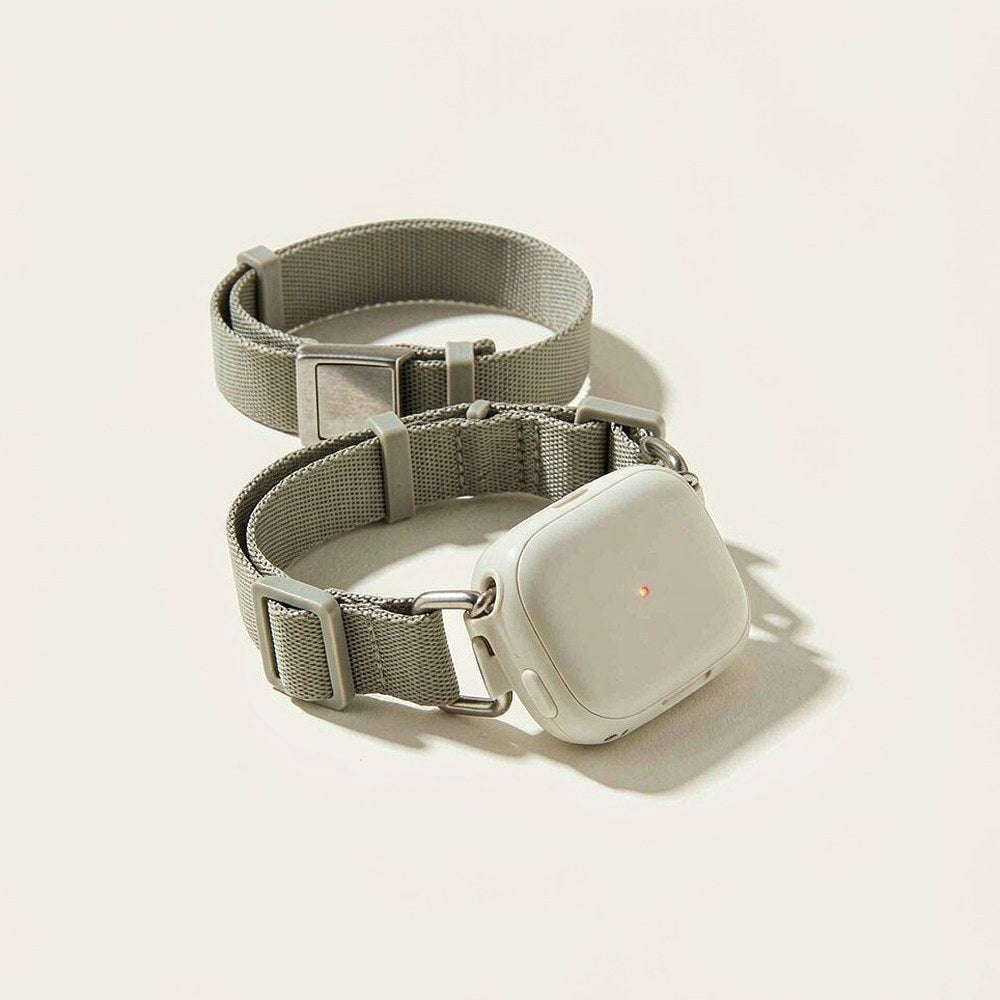
Separation anxiety and escape risk go hand in hand. An anxious dog will bolt through a door left ajar or chew through a screen. A GPS collar for dogs (our Trace Collar) turns a potential nightmare into a five-minute recovery. Real-time location means that if they do get out, you know where — not three neighborhoods later.
Two things owners tell us they care about most, and that we engineer for: battery life and real-time accuracy. A tracker that dies by lunch or shows your dog two blocks away when they're in the yard is worse than useless — it's a false sense of safety. Look for honest battery specs and location that updates on a cadence that matches how fast an escaping dog moves.
Layer 3 — One quiet app for everything
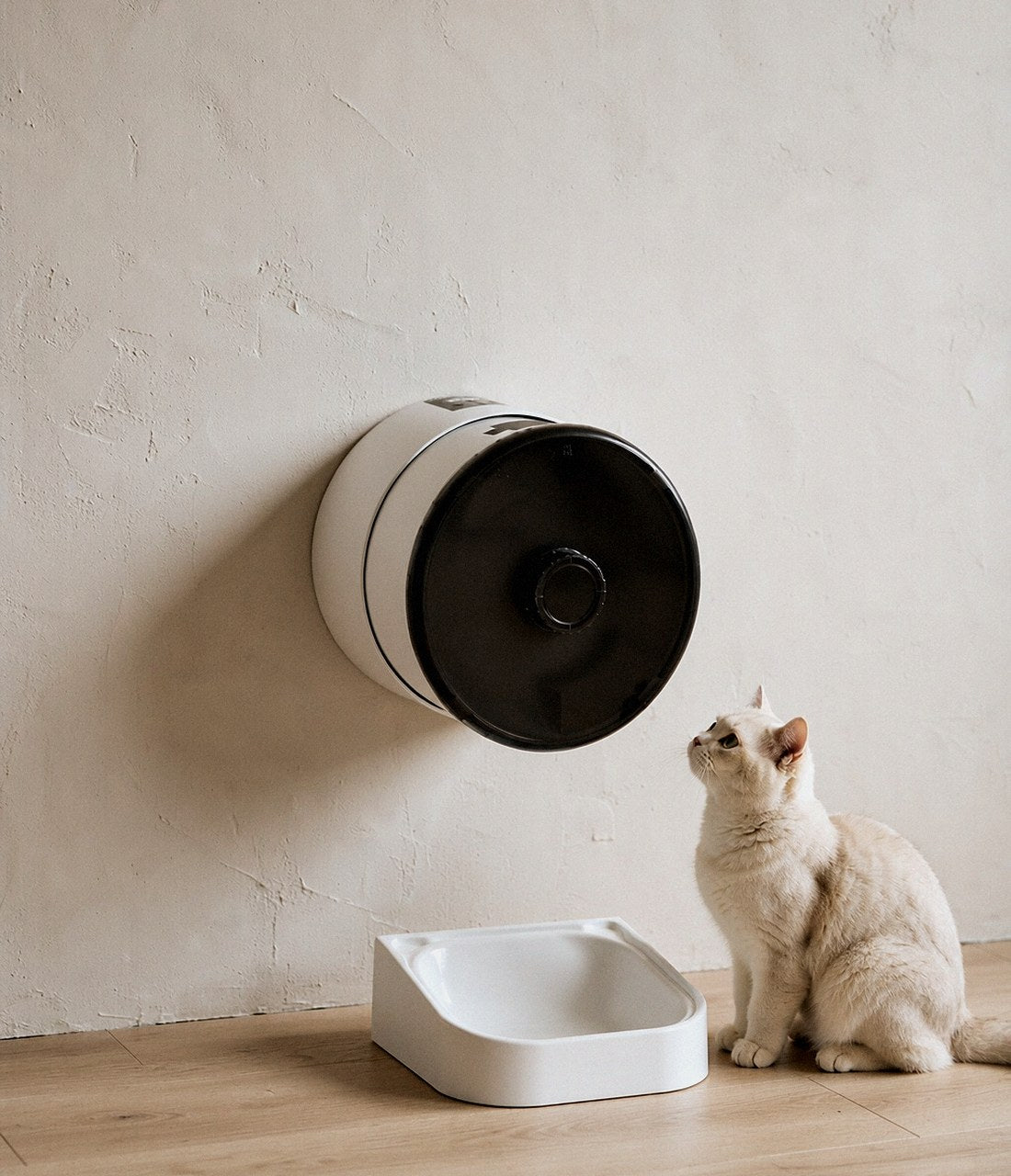
The plan falls apart if every device needs its own app, login, and notification stream — that's just more noise for an already stressed owner. The point of one quiet app for everything is to collapse the camera, the collar, and the rest of your smart pet home into a single, calm dashboard. One place to glance. One alert system you'll actually trust. No stacking three apps and praying you opened the right one at 2 p.m.
Build the leaving-home routine (a checklist)
Tech helps, but routine is the real medicine. Try this sequence for two weeks and watch the first-ten-minutes footage to see the change:
- Desensitize the cues. Pick up keys, put on shoes, touch the door — then sit back down. Repeat until the cues stop sparking panic.
- Make departures boring. No big goodbye. Leave quietly, like you're just going to the mailbox.
- Leave a "you're safe" signal. A worn t-shirt with your scent, a frozen Kong, or a low, familiar soundscape. Predictable comfort, not excitement.
- Start microscopic. Step out for 30 seconds. Return calm. Build to two minutes, five, fifteen. Let your dog learn that you always come back.
- Check in once, not constantly. One calm voice cue via the camera if they're escalating — not a panic-scroll that trains you to fear leaving.
- Track the trend, not the day. Use the collar and camera together to watch the panic window shrink week over week.
What changes: a comfort-vs-panic comparison
The difference between a home that fuels anxiety and one that soothes it is mostly small, deliberate choices. Here's the side-by-side:
| At home, when you leave | Without a plan | With the smart-home plan |
|---|---|---|
| First 10 minutes | Panic spikes, no one notices | You see it, send a calm cue |
| If they escape | Search blind, hours of fear | Live GPS, fast recovery |
| Your stress level | Dreading every departure | One glance, then get on with your day |
| Proof it's working | None — guesswork | Footage + location trend |
| Ongoing cost | Vet bills, damage, lost pet | One-time hardware, no data paywall |
Yes, cats get it too
We talk about dogs because the symptoms are loud, but separation anxiety in dogs has a quieter cousin in cats — over-grooming, hiding, inappropriate urination, or clinginess that flips to withdrawal. The same plan scales down beautifully: a camera to catch the hiding-and-grooming loop, a calm voice cue, and a predictable environment. Cats rarely bolt, so the GPS layer is optional — but for a cat that has ever slipped out a door, it's peace of mind in your pocket.
What we won't promise
We don't sell "AI that fixes your dog's feelings." That's not real, and pretending otherwise wastes your money and your dog's trust. What is real: reliable hardware, your own data kept local and free to access, no subscription wall between you and your pet, and support that lasts as long as the device does. That's the standard behind why Zaverni exists — smart pet tech designed for the home you actually share, not a dashboard you rent.
Frequently asked questions
How do I know if my dog has separation anxiety or is just bored?
The timing is the tell. True separation anxiety shows up within minutes of you leaving and centers on your absence — destruction at doors and windows, immediate vocalization, house-soiling despite training. Boredom builds slowly over the day and is spread around the house. A pet camera aimed at the exit lets you watch the first ten minutes and tell the difference, which decides the whole treatment.
How can I help my dog with separation anxiety when I leave for work?
Build a predictable, low-drama departure routine: desensitize your leaving cues, make goodbyes boring, leave a scent item or frozen Kong, and start with very short absences you gradually extend. Layer in a pet camera so you can send a calm voice cue if they escalate, and track the trend over weeks rather than judging single days. Consistency beats intensity.
Can a pet camera actually help with separation anxiety?
Yes — less as surveillance and more as a feedback loop. A camera lets you confirm your dog is resting rather than panicking, interrupt an escalating spiral with a familiar voice, and collect real footage to see whether your training is shrinking the panic window. The key is using it to act early, not to anxiously check all day.
Is a GPS collar worth it if my dog never escapes?
For an anxious dog, escape risk is real even if it hasn't happened yet — panic drives bolt-through-doors and screen-chewing. A GPS collar turns a potential hours-long search into a quick recovery. The value is the battery life and real-time accuracy: a tracker that dies or lags gives false confidence. If your dog is truly never alone-unsecured, it's optional — but cheap insurance for an escape-prone breed.
Is it okay to leave my dog home alone all day?
Most adult dogs can handle a standard workday with the right setup, but "all day" every day is a lot for a social species — and brutal for an anxious one. Break up long absences with a walker or daycare where you can, keep enrichment predictable, and use a camera and collar so alone-time stays safe and observable. Puppies and severely anxious dogs need a gradual build, not a full workday thrown at them.
What should I avoid when buying smart pet tech for an anxious dog?
Two traps: subscription walls that lock your own camera footage or pet data behind a monthly fee, and "AI" features that overpromise emotional fixes they can't deliver. Prioritize local storage, honest battery and GPS specs, and gear built to last with real support. The tech should reduce your stress, not add a recurring bill and a learning curve.
Build the calm, connected home your pet deserves
Start with the two layers that change the most: the Eye Cam to see them, the Trace Collar to know where they are — both in one quiet app, with no subscription between you and your pet.
See the Eye Cam → See the Trace Collar →Zaverni Journal · Smart pet tech, designed for the home you share. This article is editorial guidance, not veterinary advice. For severe separation anxiety, consult a veterinarian or a certified behavior consultant — smart home tech supports the plan, it doesn't replace professional care.